God Qualifies Those He Calls
08-23-2026Weekly ReflectionFr. Emmanuel Ogla, VCDear Brothers and Sisters in Christ,
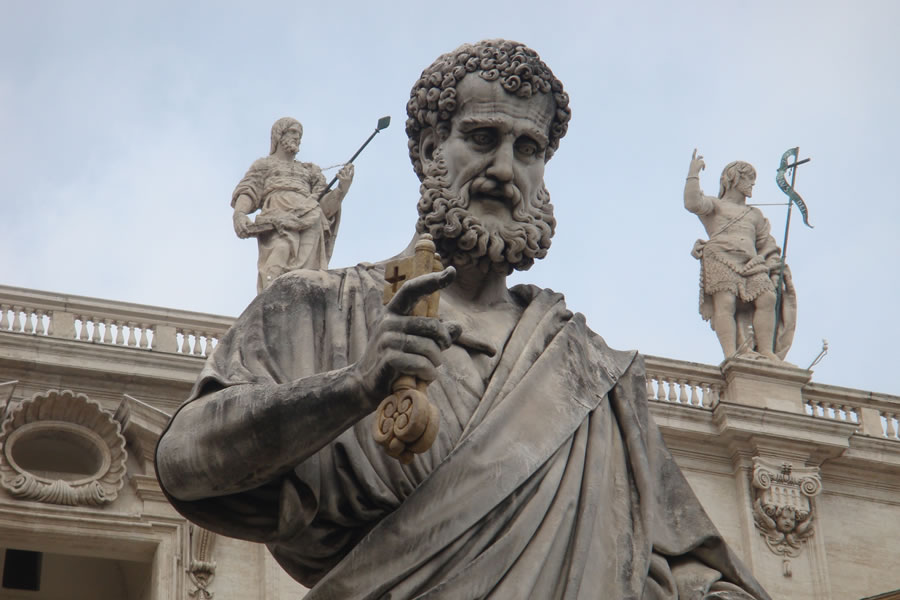
God does not wait for perfect people before calling them; He qualifies those He calls by giving them the grace needed for their mission. God removes Shebna and chooses Eliakim, placing the key of David upon his shoulder, showing that authority and mission ultimately come from God, not merely from human ability. Jesus entrusts Peter with the keys of His kingdom despite his weaknesses. St. Paul reminds us that our task is not to feel qualified, but to trust the One who calls us.
In the first reading, God removes Shebna from his position because of his unfaithfulness and gives the responsibility to Eliakim. God clothes Eliakim with authority and entrusts him with the “key of the house of David,” symbolizing leadership and responsibility. The key means that he will have authority to open and close, making important decisions on behalf of the king. The passage teaches that authority ultimately comes from God and must be exercised faithfully and responsibly.
St. Paul tells us in the second reading that God’s wisdom is greater than ours. Sometimes we want God to explain everything before we trust Him. But faith often means saying, “Lord, I do not understand everything, but I trust You.” A child sitting in the back seat of a car does not need to know every road the driver chooses to use but the child simply trusts the person driving. Our lives can be like that. We may not understand why God allows certain delays, disappointments, losses, or changes. But God’s wisdom is deeper than ours. Not understanding God does not mean that God is absent.
There are moments in life when one question can change everything. Imagine Jesus standing before His disciples, after they have walked with Him, witnessed His miracles, heard His teachings, and seen His compassion. He looks at them and asks a question that is not merely theological but deeply personal: “Who do people say that the Son of Man is?” They give Him the opinions of others. But Jesus does not stop there. He looks at them and asks, “But who do you say that I am?” This is perhaps the most important question each of us will ever have to answer: Who is Jesus to you? We hear sermons, read books, attend Mass, and learn our catechism. Christianity, however, becomes personal when we can say, like Peter, “You are the Christ, the Son of the living God.” Knowing Jesus is more than knowing about Jesus. The word “Christ” comes from the Greek Christos, meaning “the Anointed One.” Peter is not merely giving Jesus a title; he is professing that Jesus is the promised Messiah, the One sent by God to save His people. Remember that you can know about the ocean by reading books, but you only understand the ocean when you enter it. You can know the definition of fire, but you understand its warmth when you come close to it. Likewise, faith is not simply information about Christ. Faith is a relationship with Christ. Peter teaches us that God can work through imperfect people. Peter in his imperfection later misunderstood Jesus, denied Him, and struggled with fear. Yet Jesus says to him, “You are Peter, and on this rock I will build my Church.” Jesus does not wait for Peter to become perfect before entrusting him with responsibility. God does not choose perfect people; He perfects the people He chooses. Think of a tree that begins as a small seed. It does not become strong overnight. Through wind, rain, heat, and seasons, its roots grow deeper. In the same way, God often builds strong faith in us through our struggles. Our weaknesses do not disqualify us from God’s service. The task given to Peter shows that the authority of the Church is a responsibility and privilege given by God. Do not allow your weaknesses to convince you that God cannot use you. Use authority as service and trust God’s wisdom. Like a tree beside the river, we become strong not because storms never come, but because our roots go deep.
May we have the courage of Peter to profess our faith, the humility to recognize our weaknesses, the wisdom to trust God’s plan, and the generosity to serve others. Amen.
BACK TO LIST