In Many Ways, Moses is Presented in the Old Testament as a Type of Jesus
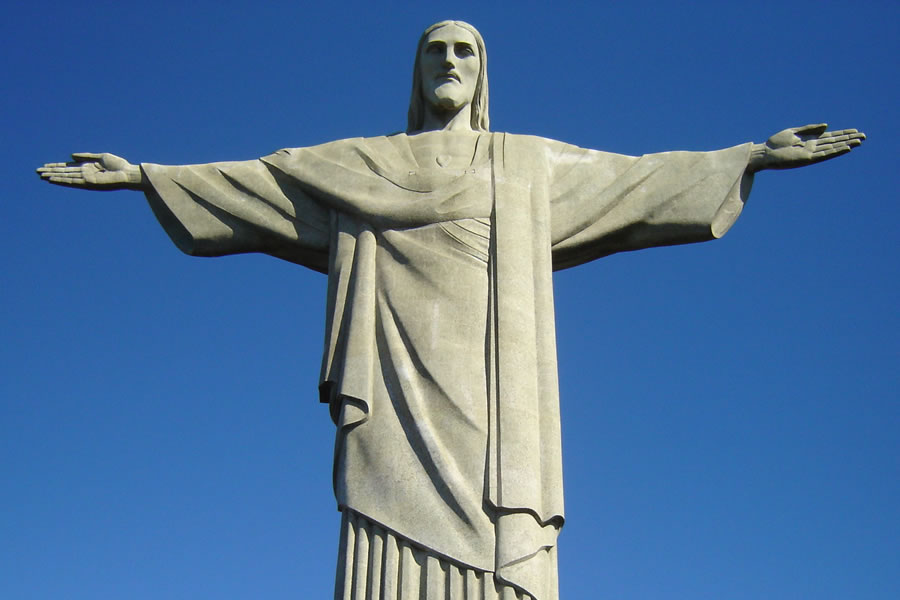
01-28-2024Weekly ReflectionFr. Manasseh Iorchir, VCLike Jesus in the New Testament, Moses led the people out of slavery, an act that Jesus would perfect with His Passion and death, not just for Israel alone but for all people of all generations. Again, Moses established the reign of God among the people of Israel by giving them laws which he got from God. In the New Testament, Jesus would establish and provide for the sustenance of the Kingdom of God through the law of love. “I give you a new commandment: love one another as I have loved you.” (Jn 13:34)
READ MORE
The Kingdom of God is at Hand; Repent and Believe in the Gospel
01-21-2024Weekly ReflectionFr. Manasseh Iorchir, VCThe Readings for the Third Sunday of Ordinary Time Year B emphasize the urgency for propagation of the Good News and the need to repent and return to the right relationship with God who is merciful. Nineveh was the capital city of the Assyrian empire which destroyed Northern Israel, killed many of its inhabitants and dispersed the remnants on exile. Since Jonah was an Israelite, he hated and despised the people who humiliated and destroyed his people, the human weakness in the prophet Jonah would have loved nothing more than seeing the Ninevites destroyed. So, he first tried not to go preach to Nineveh as God instructed him, and when it became obvious to him that running away from God and the mission to which he was sent was not going to be possible, Jonah decided to attend to the mission but with barest minimum effort.
READ MORE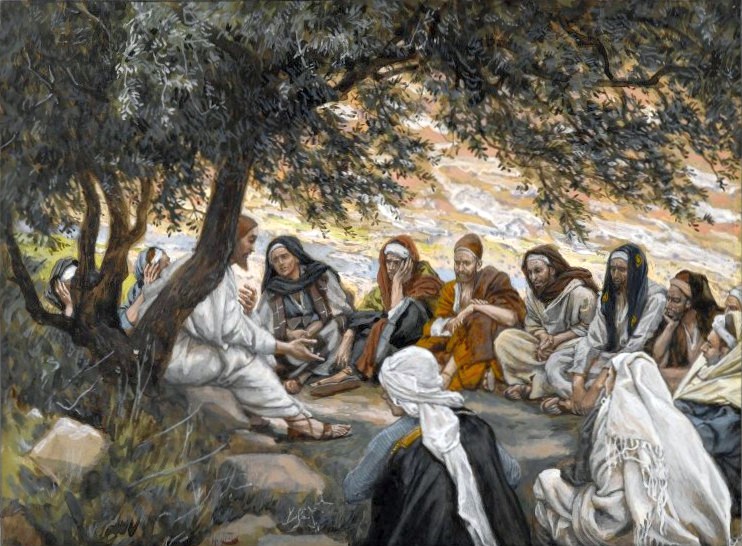
Come, and You Will See
01-14-2024Weekly ReflectionFr. Manasseh Iorchir, VCIn His covenant relationship with the people of Israel, God required human intermediaries to mediate between the people and the Lord. Many times, mediators also acted as the visible leaders of the people, took directives from the Sovereign God, and passed the same onto the people. At a particular time, Eli the priest of Shiloh was the designated intermediary between God and His people. Samuel had been offered to God by his mother and was learning the ways of the Lord under the competent guidance of Eli the priest.
READ MORE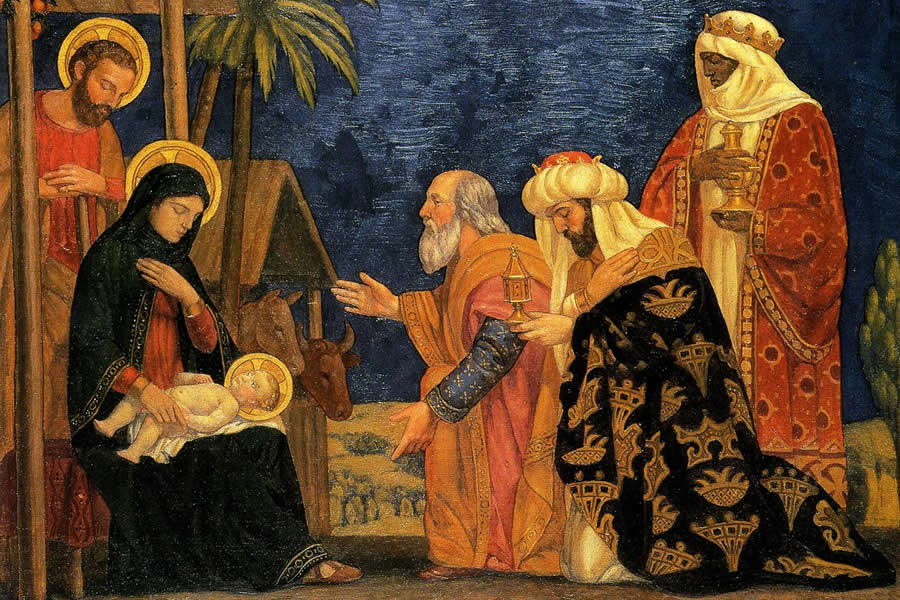
We Saw His Star at its Rising and Have Come to Do Him Homage
01-07-2024Weekly ReflectionFr. Manasseh Iorchir, VC“Epiphany,” as used in the Liturgy, refers to the self-manifestation of God to His people. Prior to the birth of Christ, the Jews, who were the first to enjoy a covenant relationship with God, believed that God was exclusively theirs and very distant even to the people with whom He made a covenant. As far as they were concerned, Yahweh was Israel’s God and all who desired a relationship with Him were required to adhere to Jewish rituals. He was also an almighty distant power who controlled their people’s lives through strict obedience to His laws. So awesome and distant was God that even his name could not be called.
READ MORE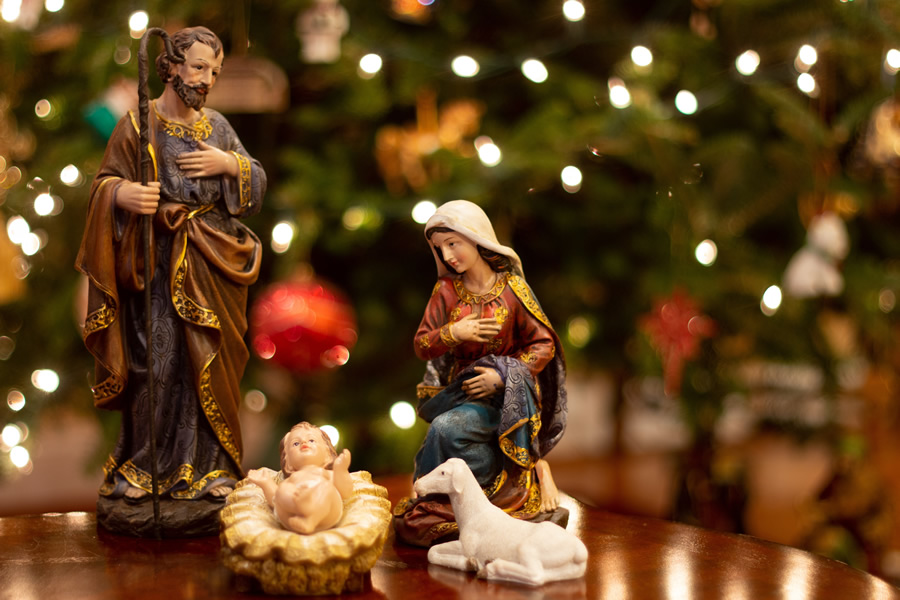
The Lord Remembers His Covenant Forever
12-31-2023Weekly ReflectionFr. Manasseh Iorchir, VCThe Sunday that falls within the Octave of Christmastide is dedicated to the celebration of the family, and so it is called “Holy Family Sunday.” This Sunday is meant to bring to the fore the blessing and merits of the institution of The Family which is so esteemed by the Church that she refers to it as the Domestic Church. What would the Church look like without the Family?
READ MORE
And the Lord Will Give Him the Throne of David, His Father
12-21-2023Weekly ReflectionFr. Manasseh Iorchir, VCWe have arrived at the Fourth Sunday of Advent, the last weekend before Christmas. We have been preparing for the coming of our Saviour and the Readings for this weekend answer the question about who He is. Jesus of Nazareth is the fulfillment of the covenant promises made by God to King David of old. God had promised to confer permanent duration to the reign of David’s house over Israel, but when David’s princely descendants failed to rule over Israel with justice in accordance with Divine will, God elected to rule over Israel Himself. This Divine rulership was achieved when Jesus took flesh in the womb of the Blessed Virgin Mary and was born in the house of Joseph, His foster father, a descendant of King David.
READ MORE
Gaudete Sunday
12-17-2023Weekly ReflectionFr. James Aboyi, V.C.Today is known as Gaudete Sunday, Gaudete is the Latin word for “rejoice.” Today, we light the rose-colored candle on our Advent Wreath, signifying our symbolic expression of joy. On this Gaudete or Rejoice Sunday. We are invited to reflect on the things that make us truly joyful. What makes us truly happy and joyful? Is it our work, family, faith, money, good health, sports, etc? We are also invited to even go beyond identifying the things that make us joyful during this Christmas Season to see how we can share our joy with those who are in need around us. The tradition of giving gifts at Christmas is a way of sharing our joy not only with those who are in need but those within our families.
READ MORE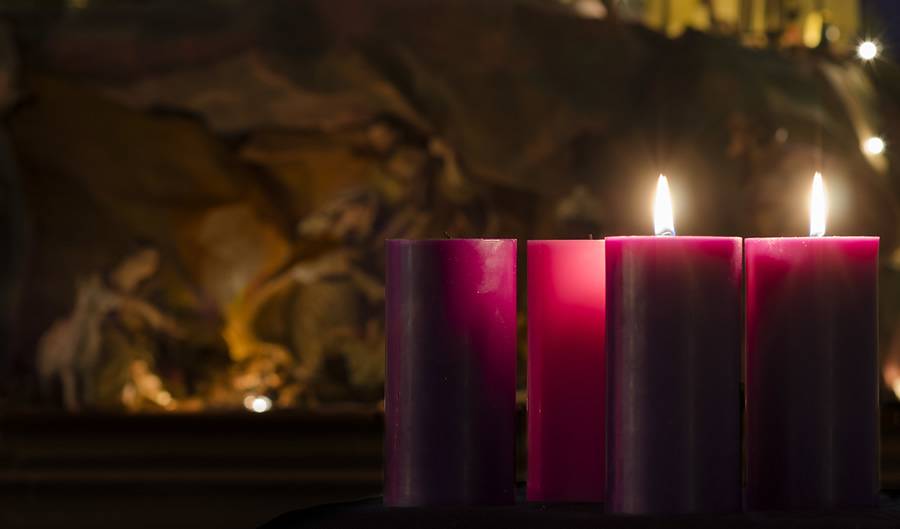
Prepare the Way of the Lord, Make Straight His Paths
12-10-2023Weekly ReflectionFr. Manasseh Iorchir, VCApart from the Lord Jesus, Himself, and Mary, His blessed mother, no other New Testament protagonist gets more “individual airtime” like John the Baptist in the Liturgy of the Church. The Church celebrates both his nativity (June 24) and his martyrdom (August 29). He is also given special mention in the earthly life of Jesus, especially in His early life and at the beginning of Christ’s public ministry. John is presented as a close relative of Jesus who precedes Christ in earthly birth. Like Jesus, his birth is foretold and his name was predetermined by God via an Angel (Luke 1:13). He is credited with an encounter with Christ while both were in their mother’s womb (Luke 1:41); he baptized Christ and witnessed the beginning of His public ministry, and it was he who pointed Christ out to his disciples and called Him “the Lamb of God who takes away the sin of the world” (John 1:29). Jesus Himself described John as the greatest of all the children born of women (Matthew 11:11). On the Second Sunday of Advent, we are introduced to this enigmatic Scriptural character.
READ MORE
Be Watchful! Be Alert!
12-03-2023Weekly ReflectionFr. Manasseh Iorchir, VCWelcome to a new Liturgical Year, “Year B.”
Welcome to the First Sunday of Advent, the Season during which we await the commemoration of the First Coming of Jesus, as well as prepare for His Second Coming. Whether it is the individual Second Coming, which will happen when each one will experience the separation of our mortal bodies from our immortal souls, or at the general Parousia when Christ comes again to reunite our bodies once more with our souls and call all humanity to Judgement; the Season of Advent reminds us of the need to stay spiritually alert and active, not in fear but in joyful anticipation of the restoration of our truest nature, our Sonship in the Kingdom of God.
READ MORE
Amen I Say To You, Whatever You Did For One of the Least Brothers of Mine, You Did For Me
11-26-2023Weekly ReflectionFr. Manasseh Iorchir, VCOn the last Sunday of each liturgical year, the Church celebrates the “Solemnity of Our Lord Jesus Christ, King of the Universe” or, “Christ the King.” This Solemnity was established in 1925 by Pope Pius XI with his encyclical Quas Primas (in the first) as a response to growing secularism and Atheism. The Pope noted the unholy attempt by the world to “thrust Jesus Christ and His Holy Law” out of public life, and the resultant discord, distrust and injustice among people and nations. This Solemnity reminds us that while empires and governments come and go, Christ and His reign enjoy permanent duration. The Readings at the Liturgy presents Christ and His Divine reign in this light.
READ MORE
For To Everyone Who Has, More Will Be Given
11-19-2023Weekly ReflectionFr. Manasseh Iorchir, VCWe have arrived at the penultimate weekend to the end of the liturgical year. Next weekend shall be the Solemnity of our Lord Jesus Christ, King of the Universe, and that my friends, will bring us to the end of the liturgical “Year A.” The season of Advent will then begin a new liturgical year. At the end of every calendar year, we often take stock of most aspects of our lives. We take a look at how we are doing financially, many do a comprehensive medical examination to find out where they are healthwise, and most families come together not only to celebrate but to also dialogue on the state of their relationship with one another in the family. The Church, God’s great family where Jesus is the head and we are the body, invites us to effect an introspection, a personal inquiry into how we have used, failed to use, or misused the talents invested in each of us by God’s benevolence.
READ MORE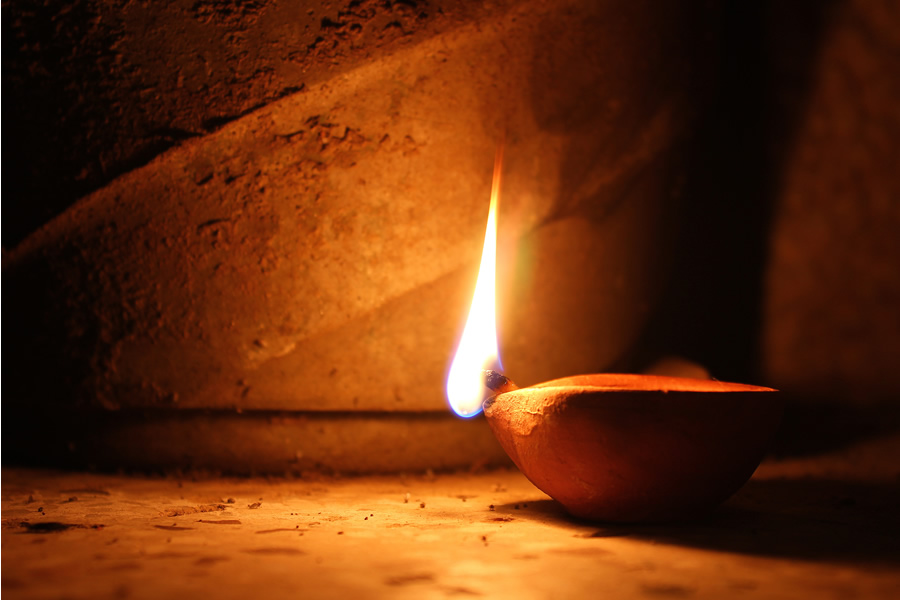
Therefore, Stay Awake, For You Know Neither the Day nor the Hour
11-12-2023Weekly ReflectionFr. Manasseh Iorchir, VCRobert Baden-Powell, the English soldier who founded the Boy Scouts published the motto, “Be Prepared” in his 1908 handbook, Scouting for Boys. He wrote that to be prepared meant “you are always in a state of readiness in mind and body to do your duty.” A wise person ensures that he stays prepared for any event or activity, especially the ones for which he has been afforded previous information. The Readings at the Liturgy this weekend invite us to make the wise decision of staying awake and prepared for the coming of God’s Kingdom among us.
READ MORE
The Greatest Among You Must Be Your Servant
11-05-2023Weekly ReflectionFr. Manasseh Iorchir, VCIn His unfathomable wisdom, God has blessed every one of us with charisms, the application of these gratuitous gifts when left to the dictates of our individual volitions, usually end up producing self-centered and sometimes harmful results that are injurious not only to our conscience but also to our community and even society. Good leadership is the gap-filler that coordinates our individual talents and applies them for the improvement of our human condition and to the greater glory of God. This is true even in our relationship with God. If everyone of us was asked to determine, on the basis of personal preference, how our relationship with God should be, the result would certainly be unmitigated chaos. This is why even God needs leaders to ensure that the assembly of those who believe in Him and have opted to stay in the right relationship with Him are properly enabled to sustain it. What constitutes good leadership is the unifying theme of the Readings at the liturgy this weekend.
READ MORE